


Pamela Herrera-Barquero has had an incredible journey in the non-profit world. Today, she serves as the Deputy Director of Macaw Recovery Network (MRN), coordinating programs that protect the critically endangered Great Green Macaw while empowering the communities that share its habitat.
Her quiet confidence, compassion for others, and desire to continue growing make her an exceptional leader within MRN. But she doesn’t just use these qualities to recover Macaw populations, she uses them to uplift other women in her country. Therefore, I found it fitting to share some of her story for International Women’s Day.
Early Beginnings in Conservation
Looking back, Pamela says that her career in conservation makes sense.
“I have always seen the world in this way, but I didn’t recognize it as conservation when I was younger,” she said while reflecting on what guided her career path. She then told me the story of her father taking her to rescue a bird from the nest of a tree that was going to be cut down the next day.
“He just took me there, climbed up the tree, and handed me the bird. There was no conversation about it—just action.”
In the end, the bird didn’t survive (raising a bird is no easy task, as our breeding center staff will tell you!). But the experience strongly shaped the way Pamela sees the world and the responsibility to act when we can. It wasn’t until later in life that she realized this perspective—especially regarding the environment—is not universal.
A Passion for Communities
Though her earliest memory of conservation was trying to save a bird, for Pamela, conservation has never been just about protecting wildlife. It’s about people.
“Because we are not going to be here forever,” she explains. “MRN is just a small number of people, and most of us don’t even live in the small communities around the Great Green Macaw’s habitat. It’s important that we support the people there to become the leaders of the work.”
She says that many of the rural communities that we work with have historically been “abandoned” by society. They have fewer resources and opportunities than those in the city. As a result, these rural communities are often unaware of the broader environmental pressures affecting their forests and wildlife.
In addition, she explains, when you grow up in one place, your environment simply feels normal. Communities may not realize how precious—or how rare—the biodiversity around them truly is.
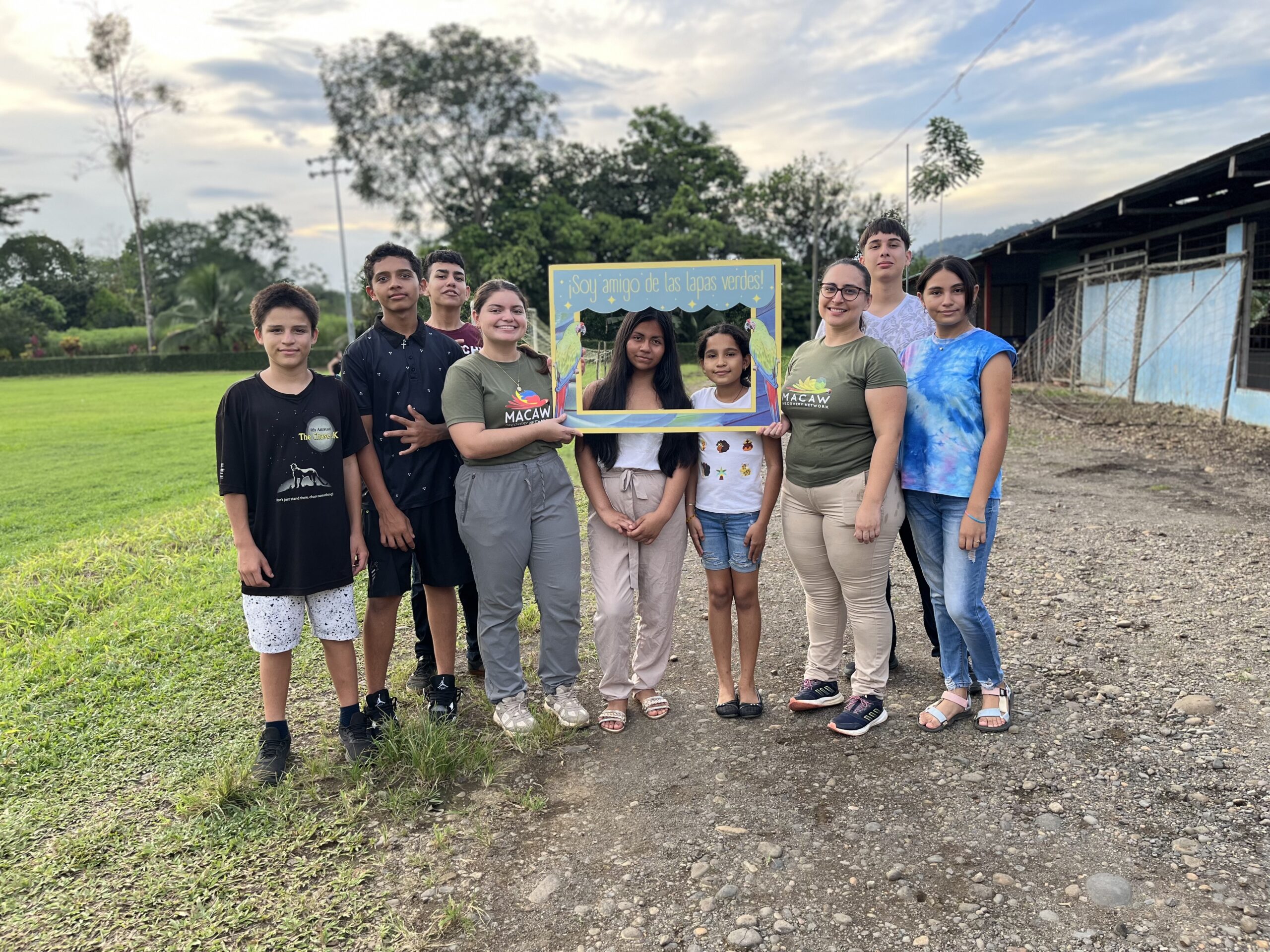
Pamela explains that this is a common phenomenon. Take birdsong, for example. Most people don’t even notice the birds in their own backyards—at least not until they become interested in birding. Before learning bird calls, birdsong is simply background noise. But once you learn to recognize specific species, those sounds suddenly become distinct and meaningful.
The same thing can happen with biodiversity. Places like Pangola are surrounded by extraordinary wildlife and forests, but when that environment is all someone has ever known, it can be difficult to see just how unique it is. Through programs like Women Rangers and Junior Rangers, MRN hopes to help communities bring that “background noise” into the foreground—so local people can recognize the value of their environment and become its strongest protectors.
A Ranger That Reinforced the Mission
It has always been clear to Pamela that working with people can make the greatest difference in conservation, but one woman truly affirmed this for her: Former Woman Ranger, Elvida.
Elvida was one of the first Women Rangers and the oldest member of the group. Often, we see age as a barrier to learning and changing behavior, but Pamela says Elvida showed her that this is not always the case. Together, Elvida and her fellow Women Rangers built the plant nursery Casa del Titor, which is now a vital part of MRN’s habitat restoration efforts. But before they had the resources to build the nursery, Elvida asked for seeds to plant in her backyard so she could start growing food for wild Great Green Macaws right away (MRN hypothesizes that food availability is a barrier to Great Green Macaw recovery). Pamela says her backyard is more like a patch of grass than a yard. But to Elvida, it was the space she had to offer to a cause greater than herself—and she was eager to share it.
“She used what little she had to make a better world for the Macaws,” Pamela says.
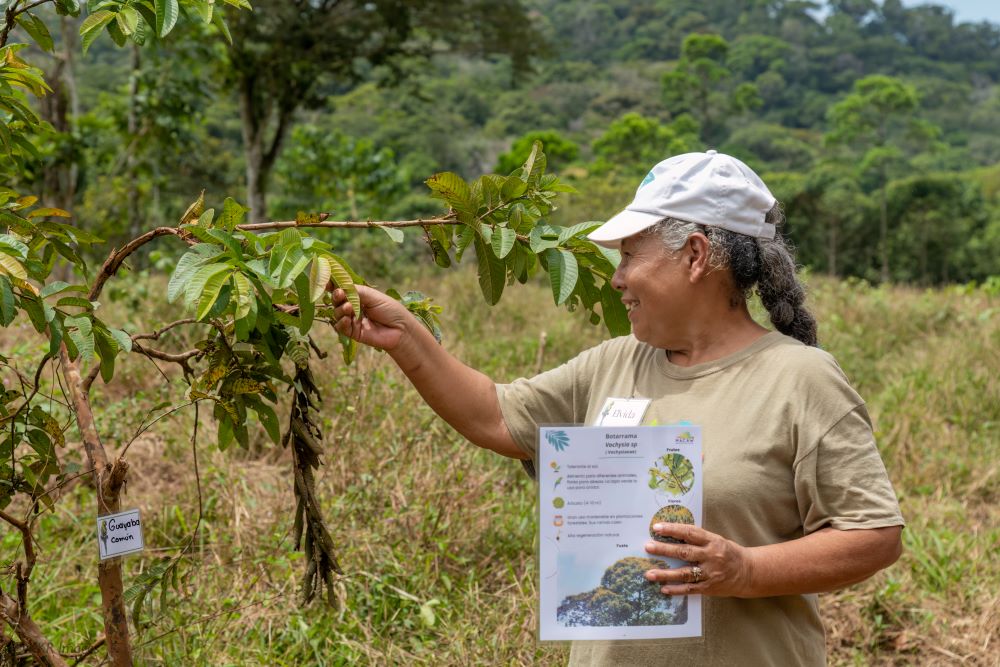
Through Elvida, Pamela saw clearly how conservation programs can transform lives. In many rural communities in Costa Rica, women are primarily caretakers in the home. This is not due to a lack of interest in careers, but rather social, economic, and geographic barriers that make it challenging for women to pursue higher education. For Elvida, the work she was able to do through MRN was once unimaginable. But thanks to this program started by Pamela in 2020, every woman in the Women Rangers program became a breadwinner for her household. It continues to be one of MRN’s most inspirational and impactful programs.
Stepping into a New Leadership Role
Pamela first joined MRN in 2019 as a master’s student researching local community knowledge and attitudes about the Great Green Macaw. After completing her thesis, she returned to MRN as the organization’s first Outreach Program Manager, launching many of MRN’s education and community initiatives. In late 2025, she stepped into a new role as Deputy Director.
Today, her focus is on the bigger picture. Her job involves understanding how each of MRN’s programs functions individually—and how they work together.
“It’s about the bigger vision,” she explains. “And how the different programs create synergy.”
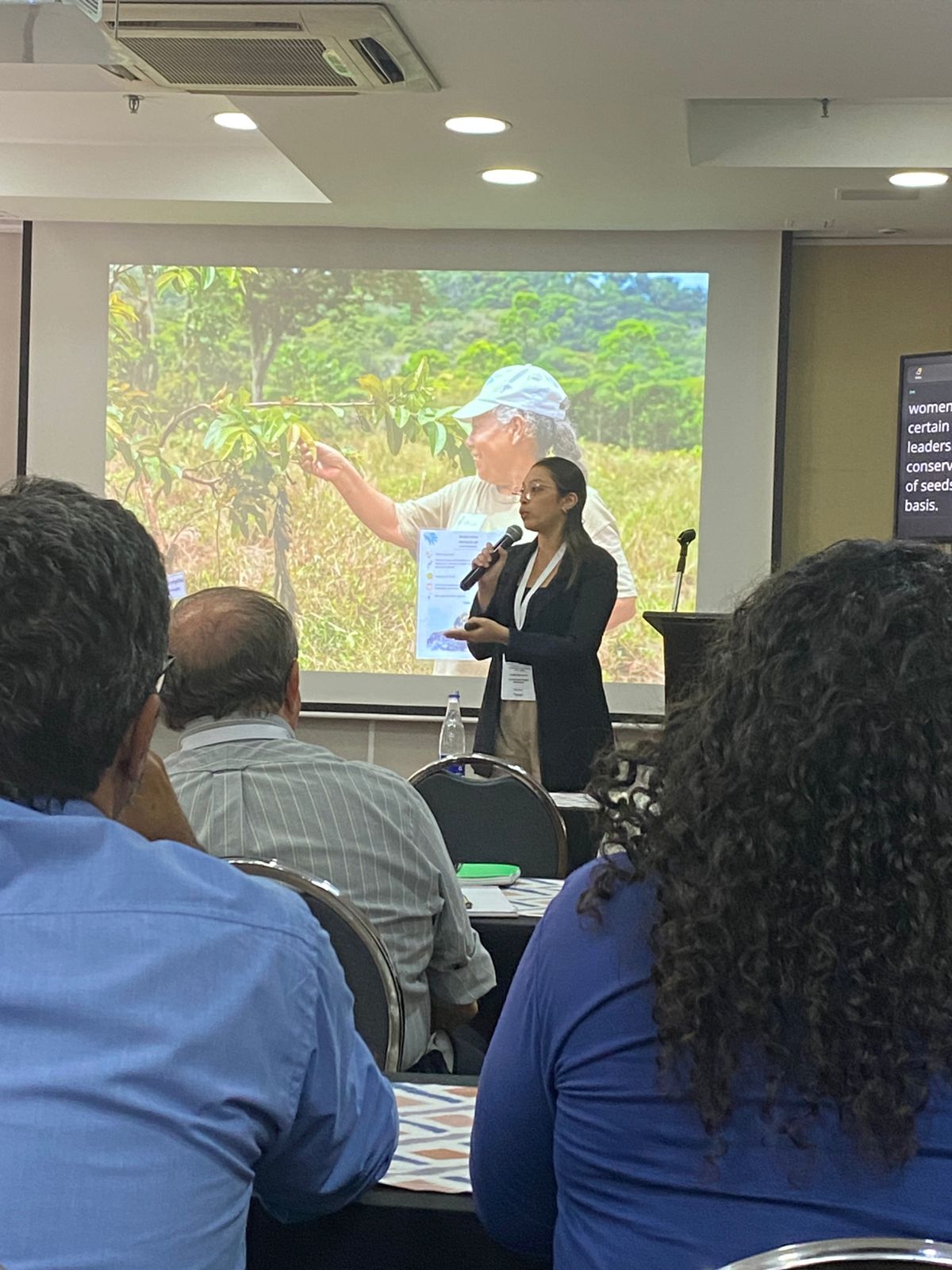
She now supports a highly skilled team, using her experience to guide coordination between programs and strengthen their collective impact. It’s a demanding role, but she approaches it with remarkable grace. Notably, Pamela has also represented MRN on the international stage. She has presented in San Francisco, California at the WCN Expo several times, and last year she presented at an American Bird Conservancy event in Colombia.
When asked how she manages it all, Pamela explains that it begins with making sure that she and her team take care of themselves so they can give their work their best.
“And when we can’t—because we’ve had a bad night’s sleep or aren’t feeling our best—that’s when the project management tools come in.”
The tools Pamela refers to are a variety of management techniques she has learned through professional development courses over the years.
“In one course I took, they even had us create a board of directors for our lives.”
She explains that the people on your personal board of directors could include someone you’ve never met who inspires you—she used Dr. Jane Goodall as an example—or someone you know personally and can turn to for advice. As a people-oriented person, she found the exercise especially useful in setting herself up for success.
She also attributes her ability to manage her role to establishing clear boundaries in her work.
“In conservation, the work never ends. There is always more that we can do, so we need to give ourselves a place to stop for the day.”
The key, Pamela says, is defining what truly needs to be accomplished each day and recognizing that doing those things well is enough. Doing them well is the pressure she really feels. “The team has put so much trust in me, and I really don’t want to let them down. But I also recognize mistakes are part of being human, and that they’re okay as long as I’m learning from them.”
Speaking Up for Women in Conservation
Though Pamela has had a successful career, she says she is not immune to the societal barriers many women face. She shared with me a story about a man she met at a conservation event—someone she says is well known in the field—who once asked her if she monitors Great Green Macaw nests “in a bikini.” Though others heard the comment, nobody spoke up.
Later, at the same event, Pamela gave a presentation about strong women in conservation—women like Elvida and her fellow rangers, who are making an incredible impact on biodiversity in Costa Rica.
During the talk, she shared about the bikini comment, emphasizing that more work needs to be done to create equitable professional spaces in conservation. Though she didn’t name him publicly, he was in the audience, and she hopes her message was received.
Looking Toward the Future
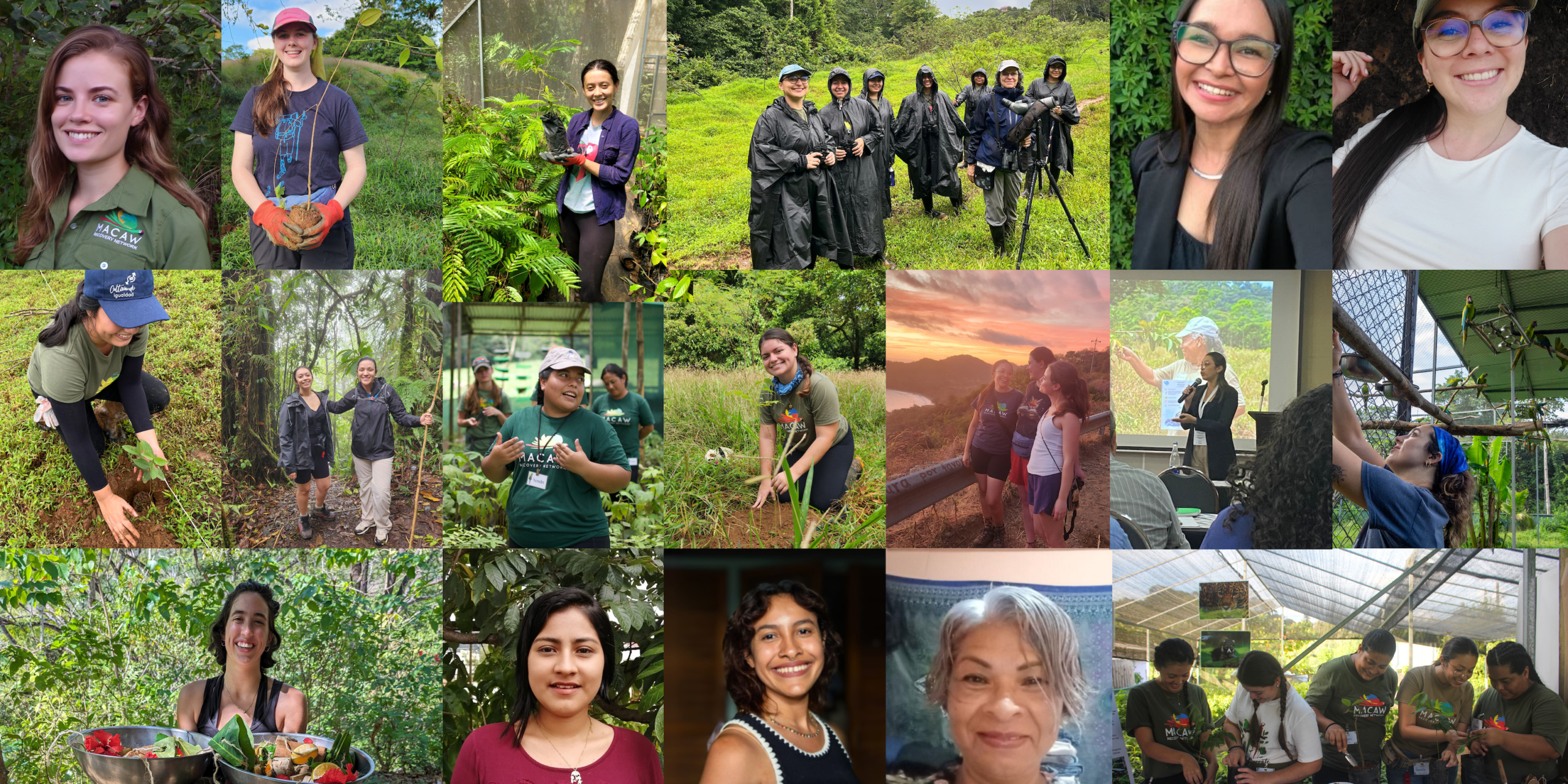
Since its founding in 2018, Macaw Recovery Network has made remarkable progress, much of it thanks to the fortitude of women on the team. In fact, two of the Women Rangers who helped build the Casa del Titor nursery with Elvida are now mentoring a new team of Women Rangers who are restoring the Sarapiqui Rainforest Reserve.
For Pamela, the future holds enormous potential. Right now, her priority is making MRN’s strategic plan fully operational. But once that work is in place, she can imagine the organization eventually expanding beyond national borders and working with other species in need of protection.
Her role in that future, she says, is simple.
“To be where the organization needs me.”
That’s where the rest of us will be, too. The Women of MRN are ready for anything, and we’re just getting started!
Happy International Women’s Day!

Carey Wentz
Communications Manager